On a recent Saturday, my family stopped by the Wadsworth Atheneum, an art museum located in Hartford, Connecticut. Founded in 1842 and opened in 1844, it is the oldest continually operating public art museum in the United States. The Atheneum is noted for its broad collections … Continue reading The Wonders of the Wadsworth Atheneum
“I never wanted color to be color. I never wanted texture to be texture, or images to become shapes. I wanted them all to fuse together into a living spirit.” – C.S.
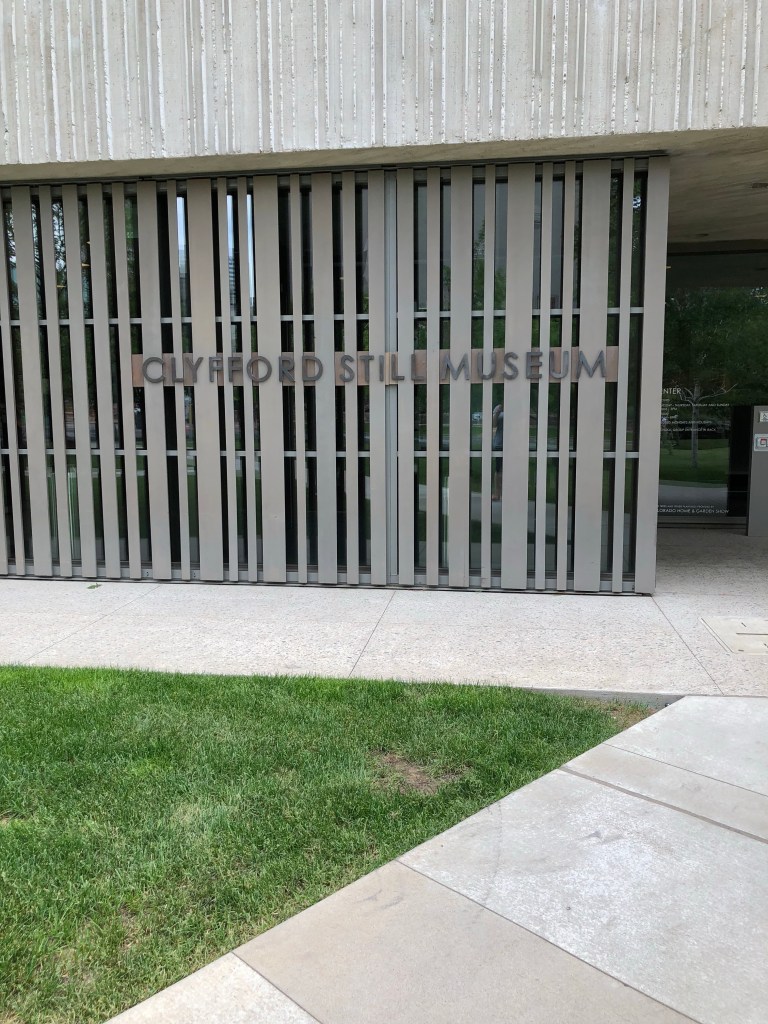
While in Denver, Colorado last month, I took advantage of the couple of hours after the conference and my flight home to visit the Clyfford Still Museum.
I had ZERO knowledge of artist Clyfford Still before visiting the gorgeous museum that opened in 2011 to house 95% of Still’s creative output, and includes approximately 3,125 works created between 1920 and 1980. What drew me to the museum was the fact that he was an Abstract Expressionist (one of my fav periods of art) plus he seemed a bit quirky – always a win.
Still’s Background
“People should look at the work itself and determine its meaning to them. I prefer the innocent reaction of those who might think that they see cloud shapes in my paintings to what [a critic] says that he sees in them.” -C.S.
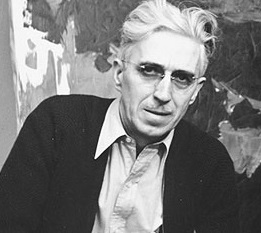
Clyfford Still was born on November 30, 1904, in Grandin, North Dakota. He attended Spokane University, Washington, in 1926 and from 1931 to 1933. After graduation, he taught at Washington State College, Pullman, until 1941. Still spent the summers of 1934 and 1935 at the Trask Foundation (now Yaddo), Saratoga Springs, New York. From 1941 to 1943, he worked in defense factories in California. In 1943, his first solo show took place at the San Francisco Museum of Art, and he met Mark Rothko in Berkeley. That same year, Still moved to Richmond, Virginia, where he taught at the Richmond Professional Institute.
When Still was in New York in 1945, Rothko introduced him to Peggy Guggenheim, who gave him a solo exhibition at her gallery-museum Art of This Century in early 1946. Later that year, the artist returned to San Francisco, where he taught for the next four years at the California School of Fine Arts. Solo exhibitions were held at the Betty Parsons Gallery, New York (1947, 1950, 1951) and at the California Palace of the Legion of Honor, San Francisco (1947). In New York in 1948, Still worked with Rothko and others on developing the concept of the school that became known as Subjects of the Artist. He resettled in San Francisco for two years before returning again to New York. A Still retrospective took place at the Albright-Knox Art Gallery, Buffalo, New York, in 1959. In 1961, he settled on his farm near Westminster, Maryland.
In its January 15, 1951 issue, Life magazine published an article about them , along with a Nina Leen group portrait of fifteen of the protesters: Theodoros Stamos (1922-97), Jimmy Ernst (1920-84), Barnett Newman (1905-70), James C. Brooks (1906-92), Mark Rothko (1903-70); middle row: Richard Pousette-Dart (1916-92), William Baziotes (1912-63), Jackson Pollock (1912-56), Clyfford Still (1904-80), Robert Motherwell (1915-91), Bradley Walker Tomlin (1899-53); back row: Willem de Kooning (1904-97), Adolph Gottlieb (1903-74), Ad Reinhardt (1913-67), and Hedda Sterne (1910-2011). Leen’s photograph has come to be known as The Irascibles.
Why People Do Not Know about Him
In 1951, Clyfford Still ended his relationship with commercial galleries. From that time forward, only a select few of his works entered the art market. As a result, the Clyfford Still Museum houses 95 percent of Clyfford Still’s total output, making its collection the most intact body of work by any major artist from any century.
Clyfford Still Museum exterior, Denver, Colorado
My Visit to the Collection
“Color is an integral part of the conception. The works are conceived in color and do not exist amply without it. Each picture takes on the color it demands.” -C.S.
The museum only had a few people milling around so I was able to enjoy my visit in relative solitude.
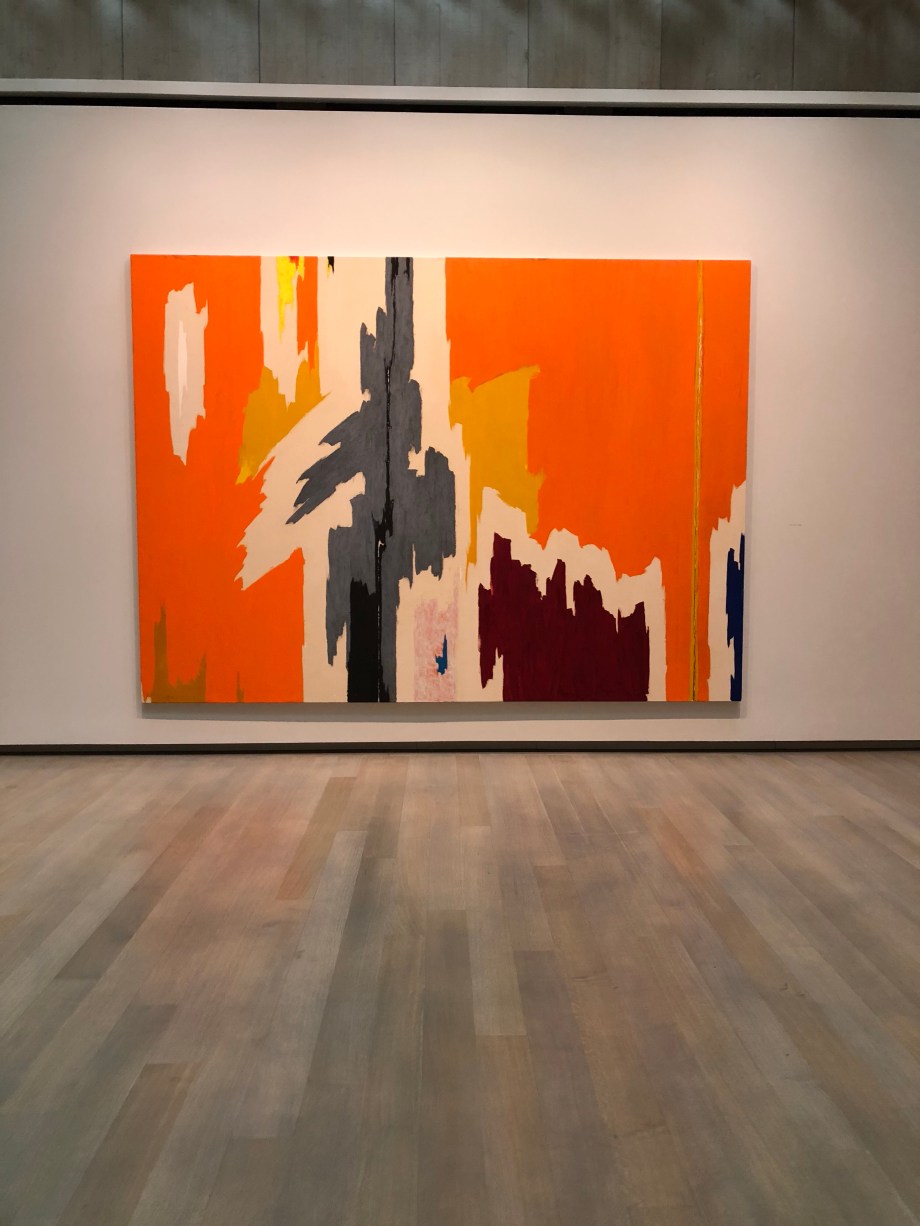
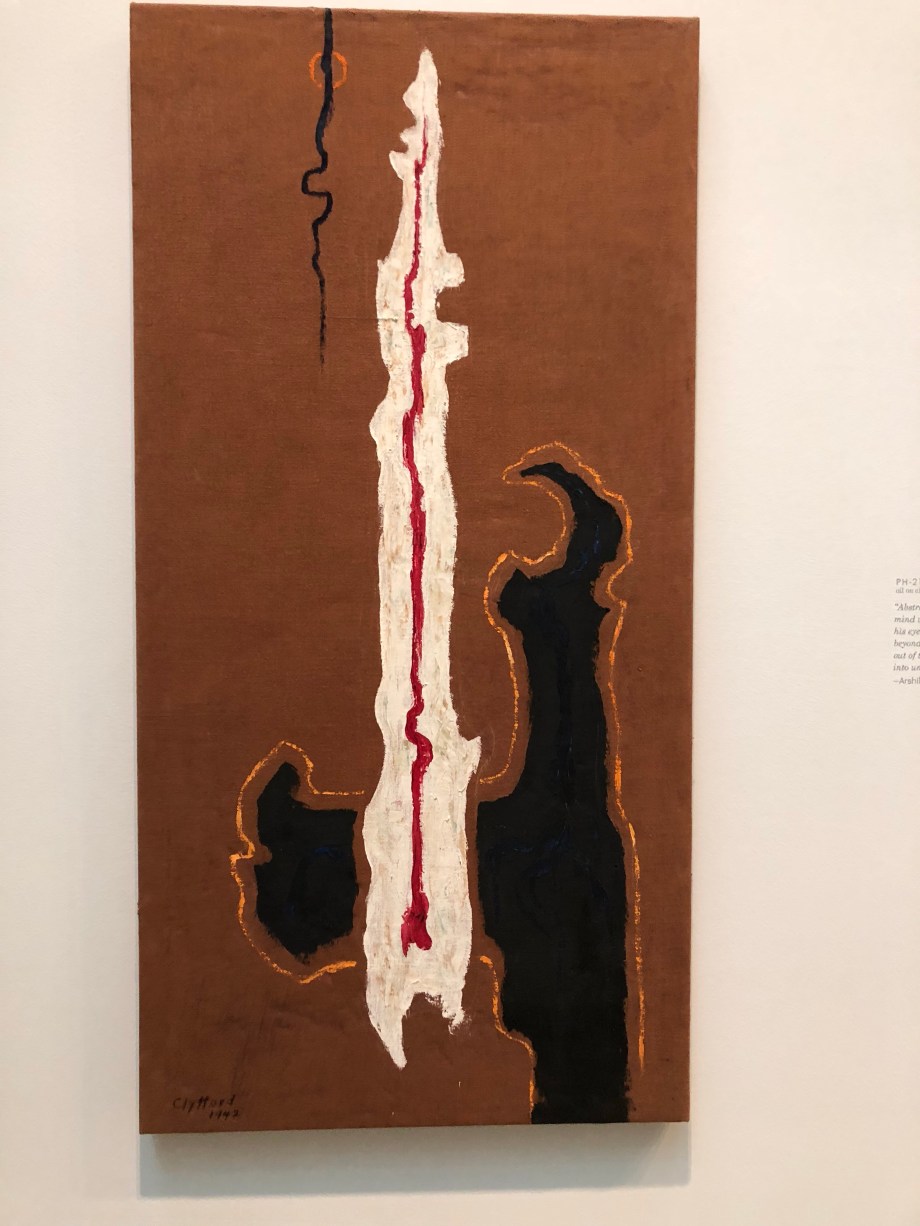
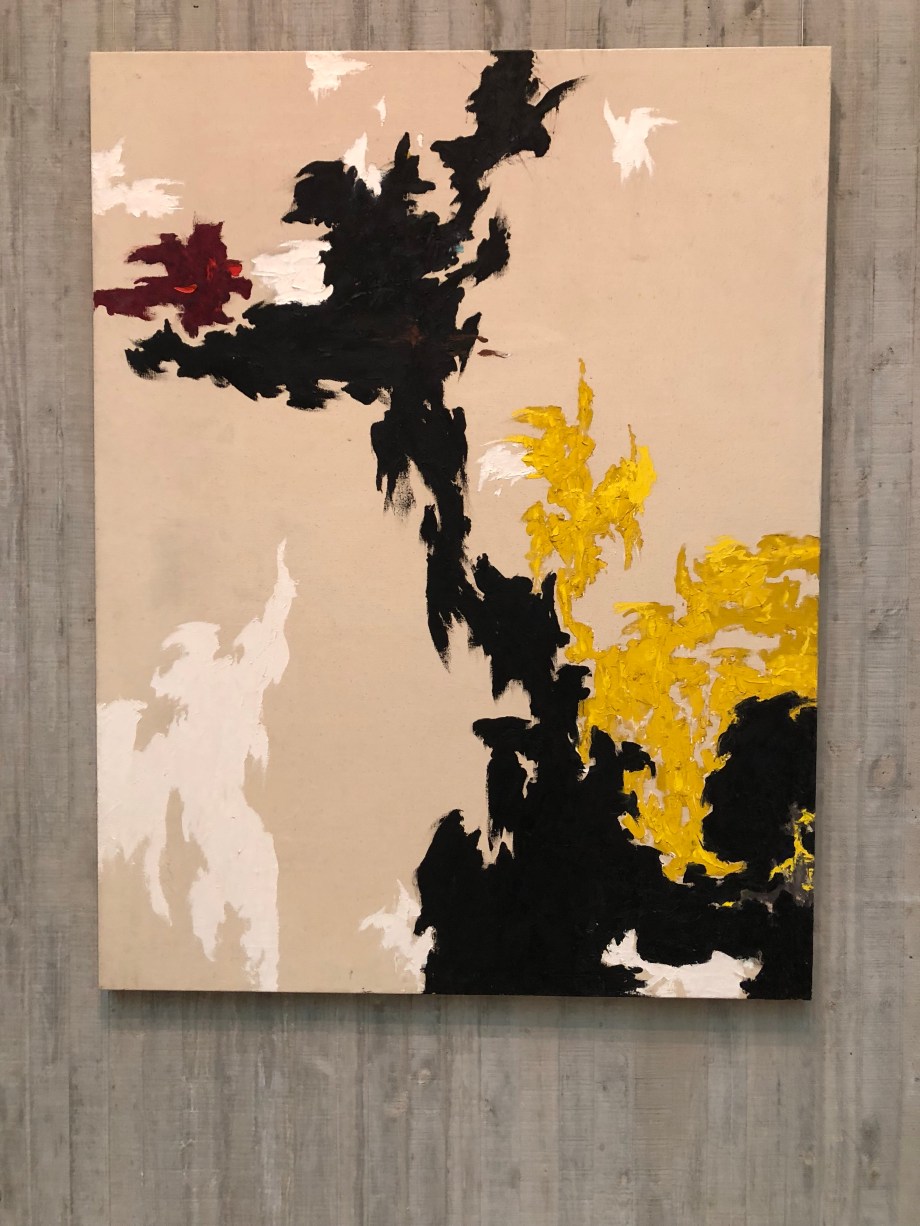
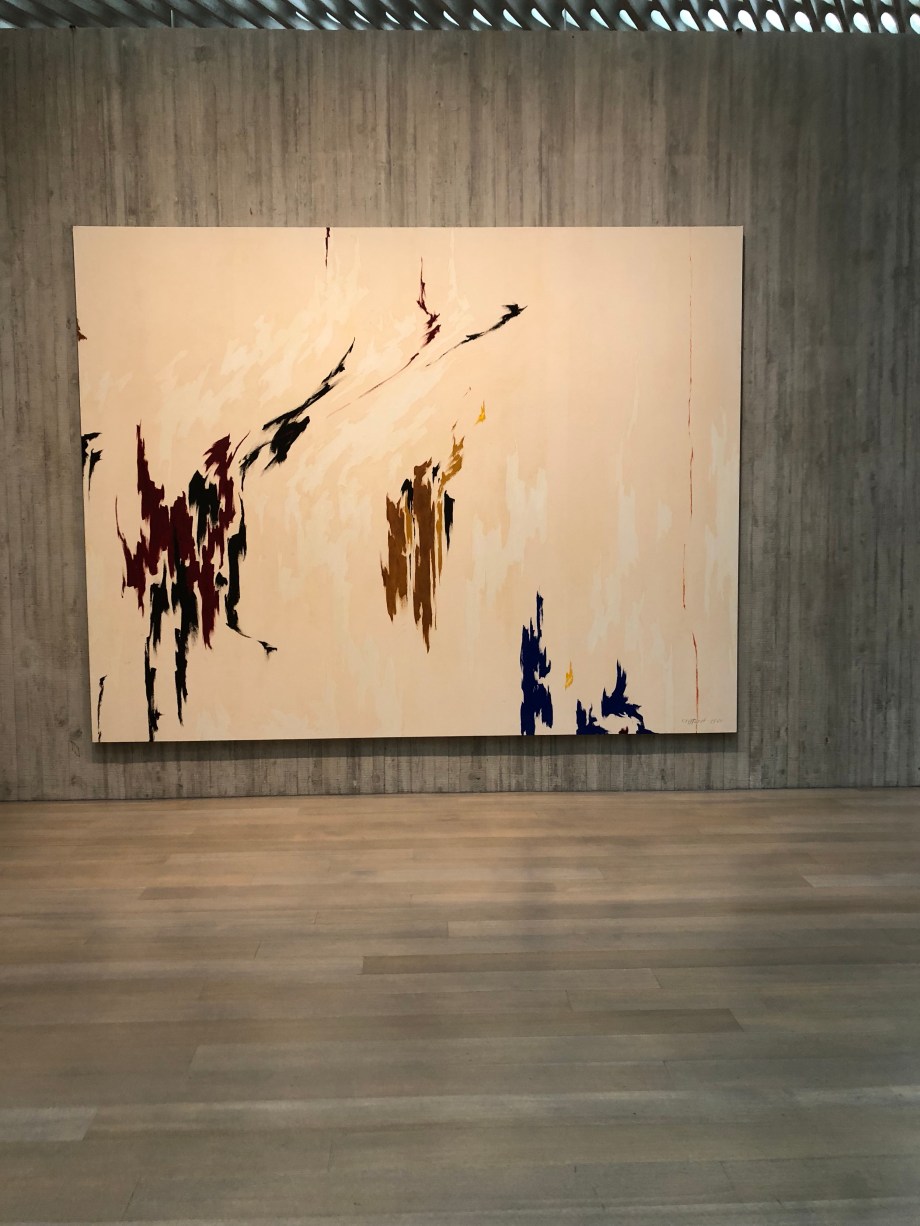
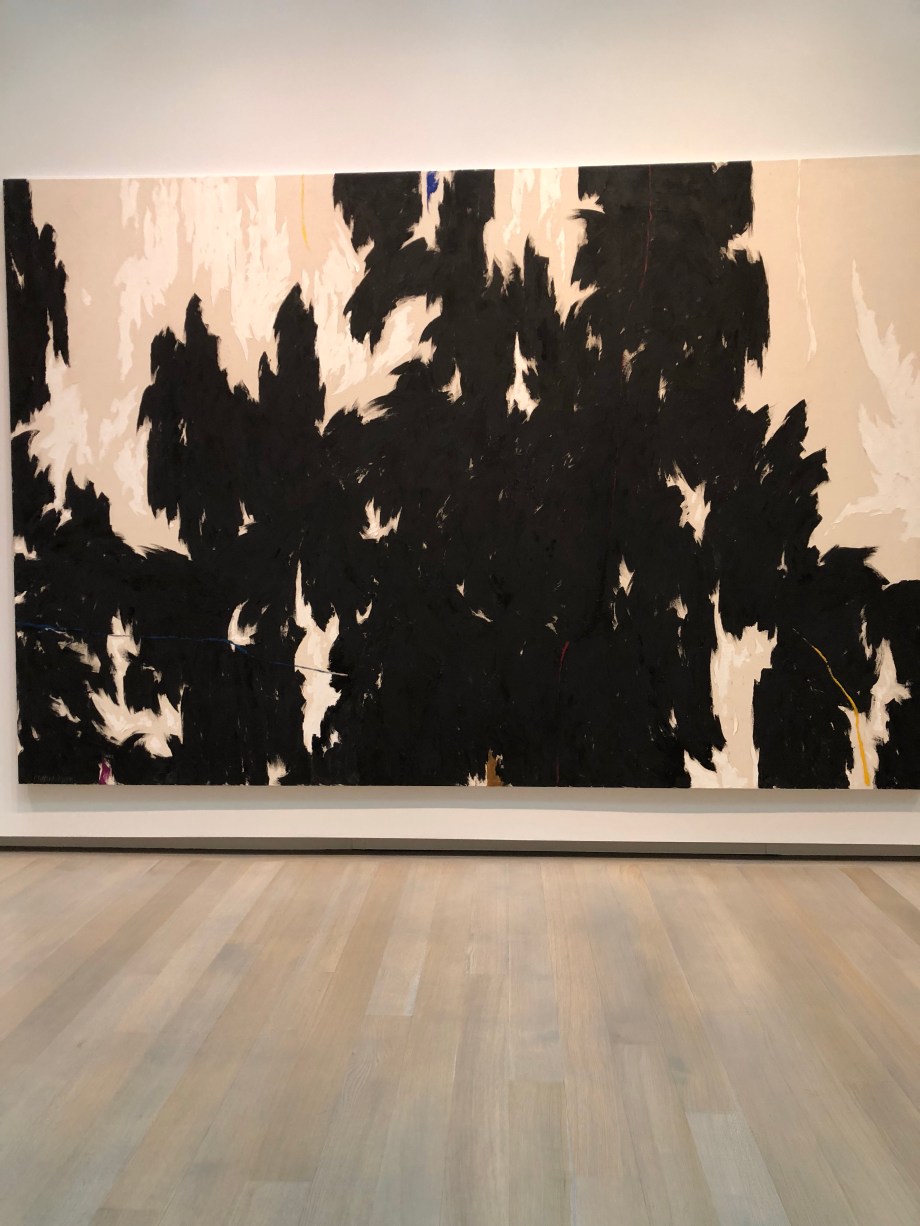
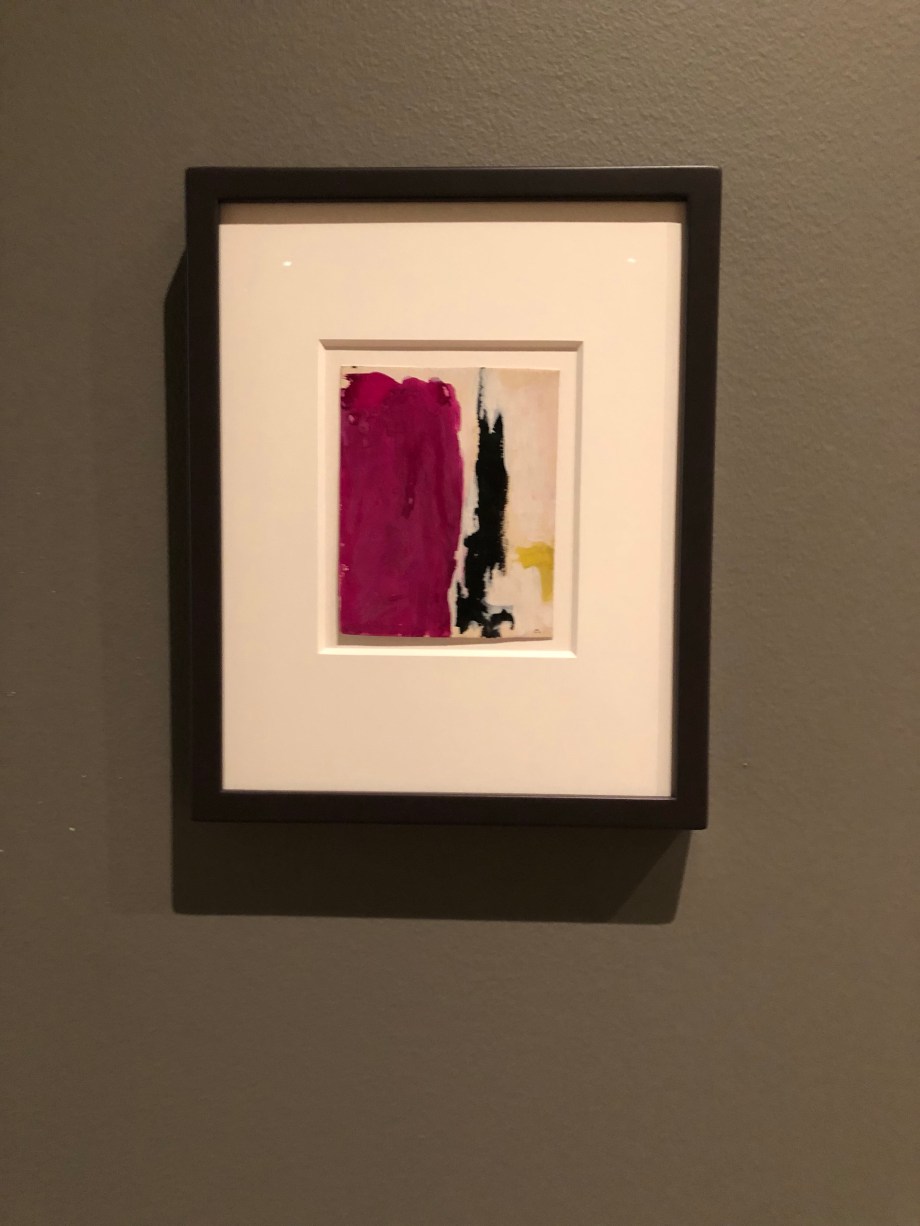
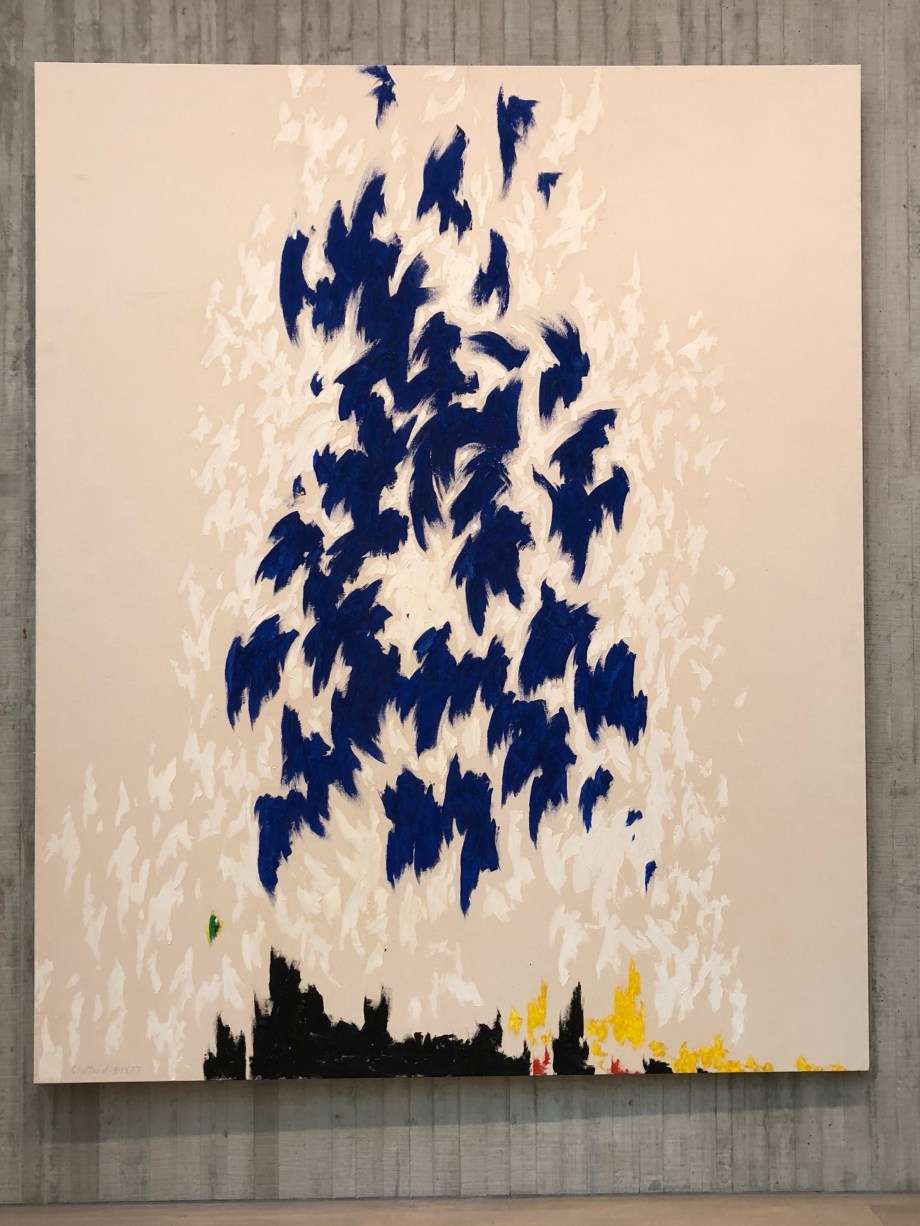
Most of Still’s later abstractions are enormous (many span over 10 feet) and create an altered environment for your experience. This later work was by in my opinion his strongest – Still departed from the figurative imagery of his early work.
This was my favorite Clyfford Still painting (I would share the title – but after Still stepped away from showing his work publicly – works were not named.)
I was told by museum staff that the collection changes quarterly. The have so many pieces to choose from! I look forward to following future exhibits online.
Other Museum Highlights
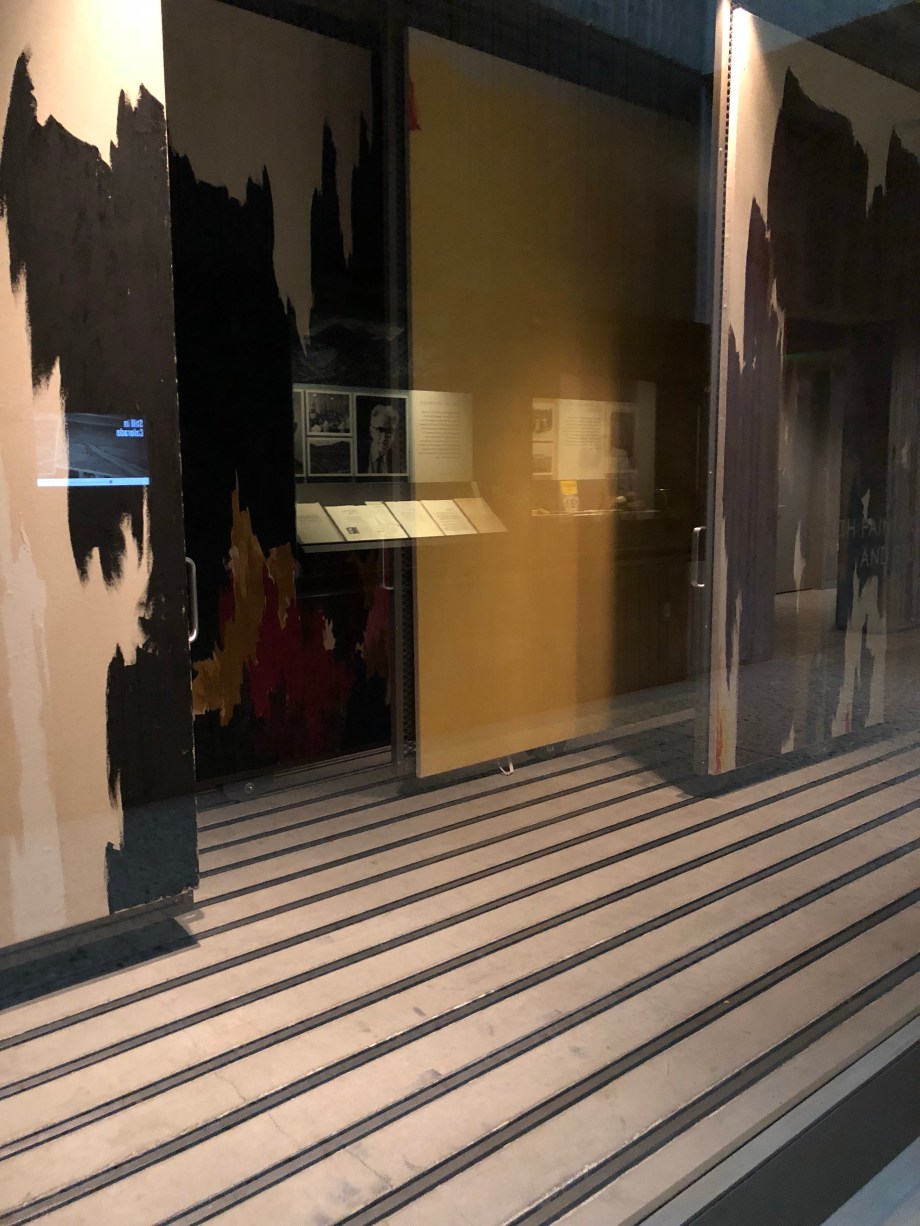
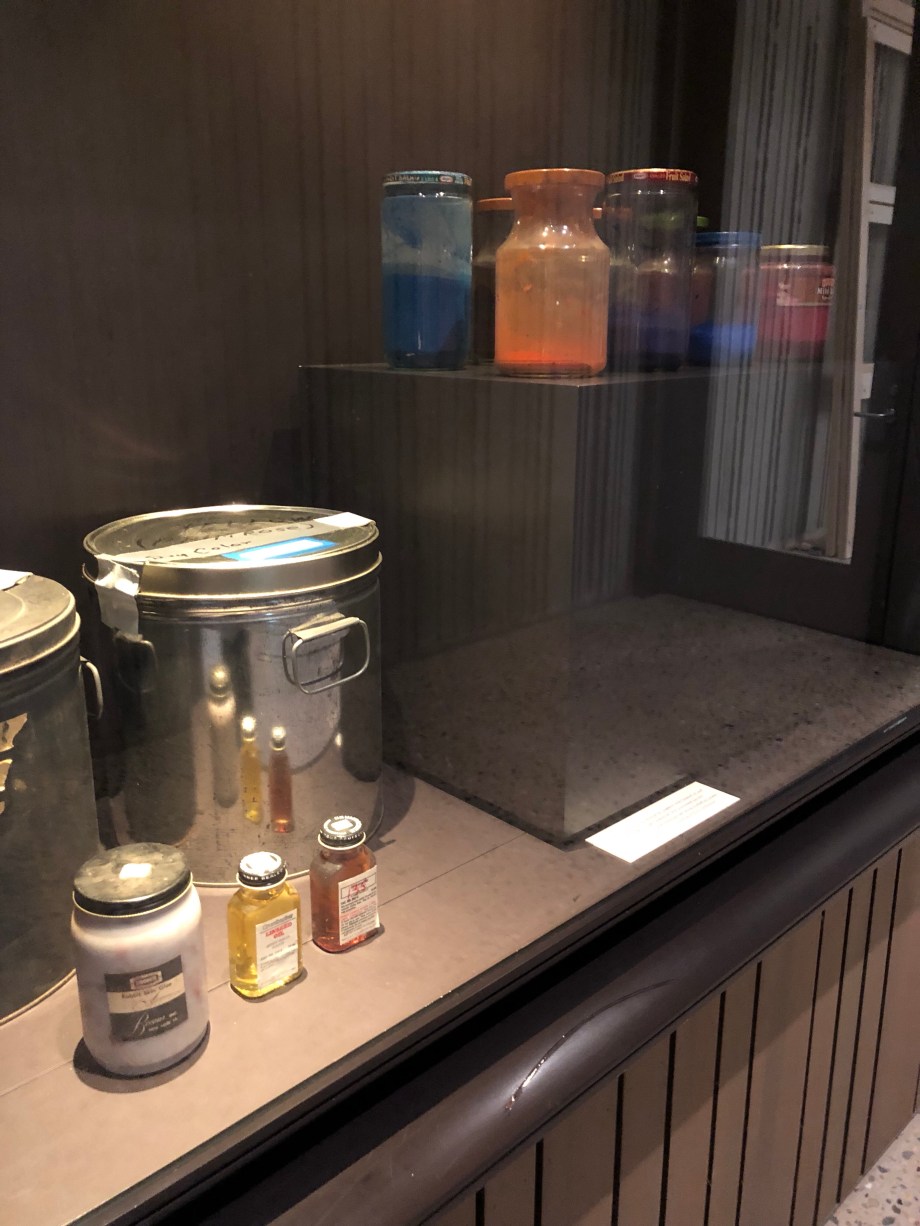
There was an incredible conservation and storage area that was public.
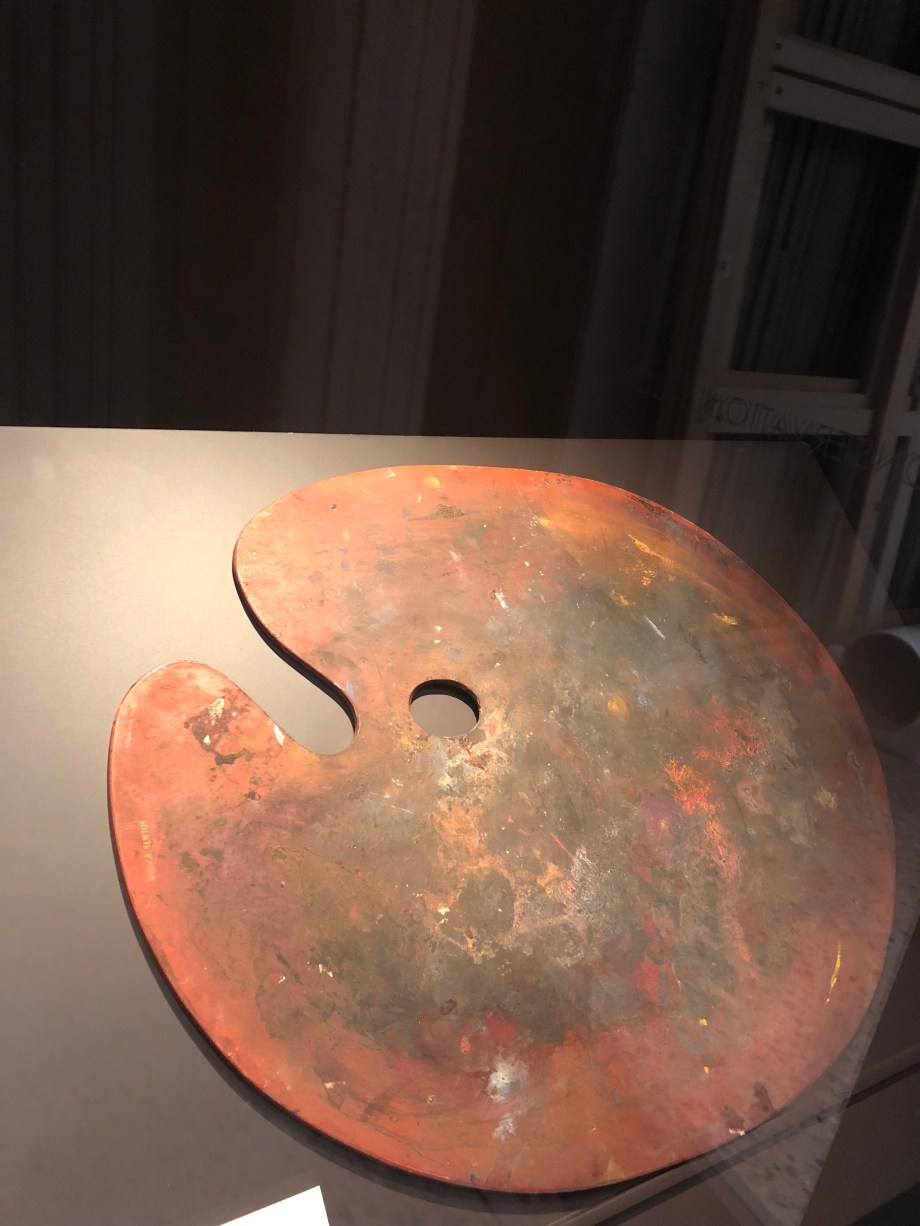
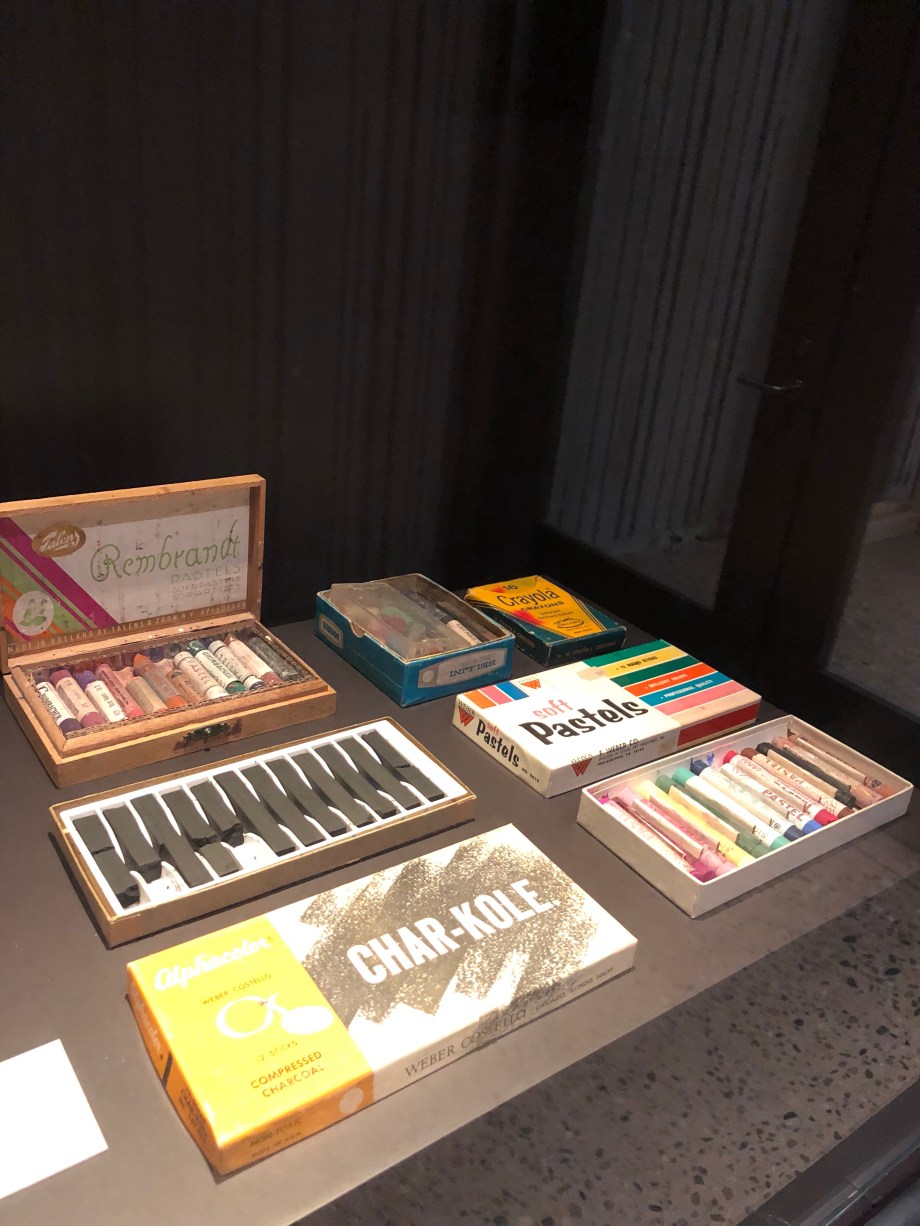
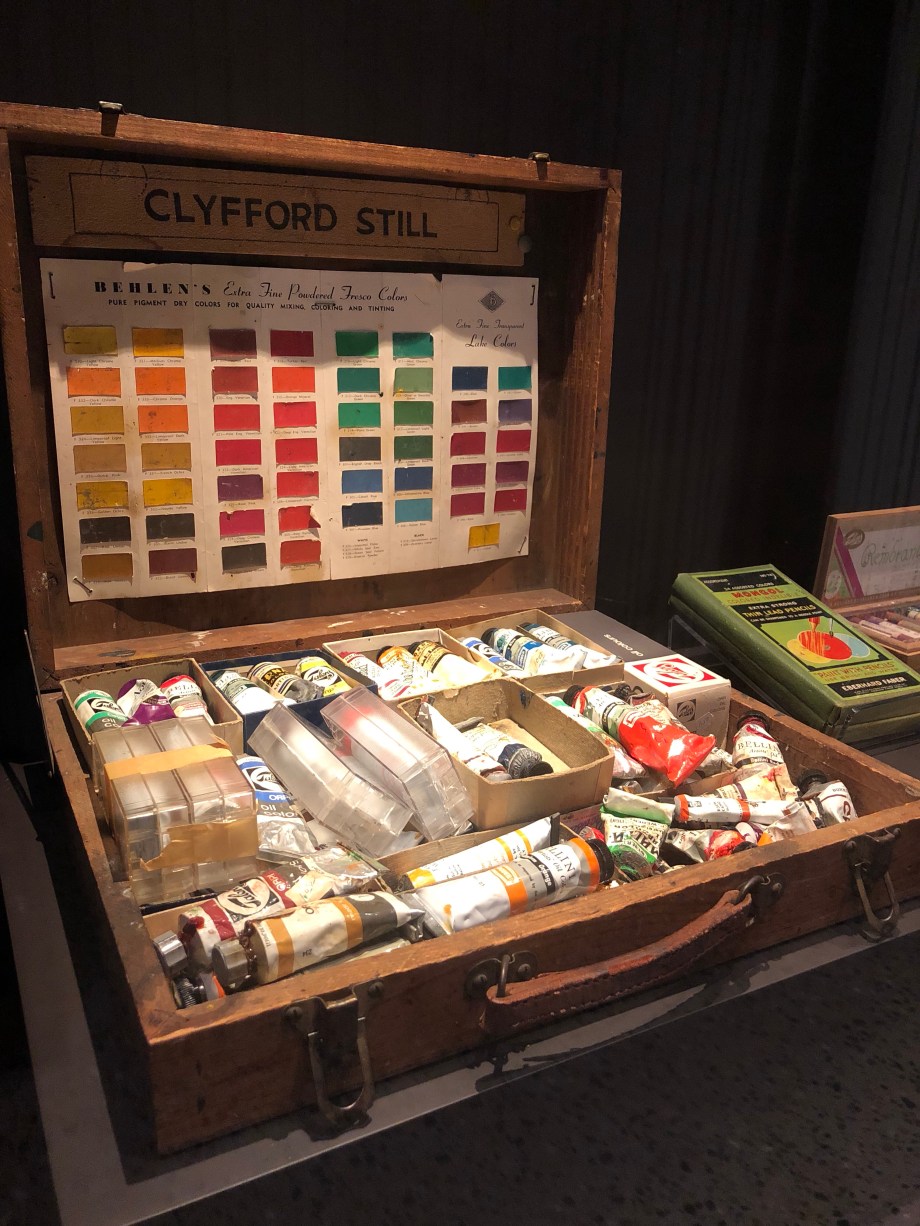
His Materials
“I want to be in total command of the colors, as in an orchestra. They are voices.” -C.S.
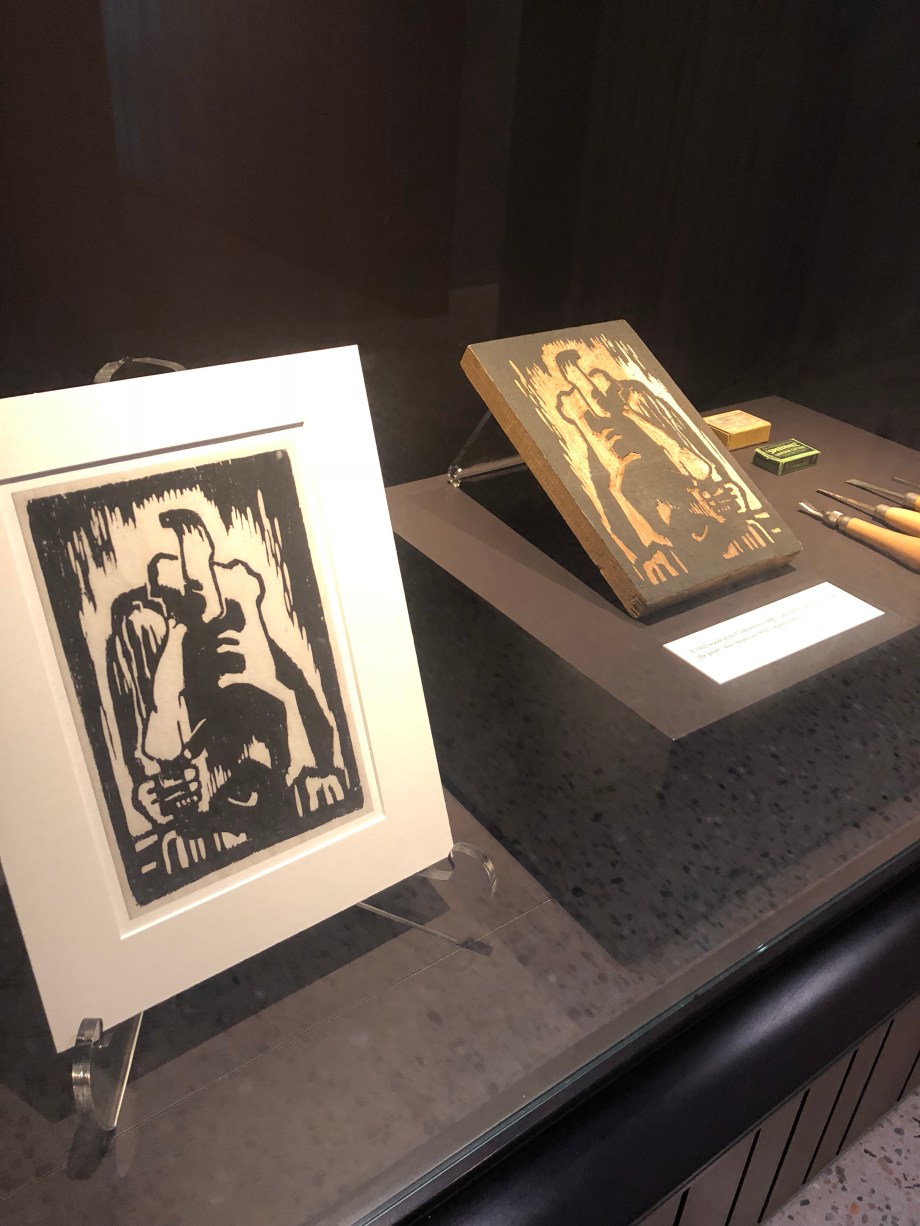
I always love seeing the materials that artists use to create: their tools, how they organize their supplies – even how they store or label their pigments – I learn so much about their process & personality.
The CS Museum was a real treat in this area – take a look!
Check out this Museum if you are near Denver.
TIP: I was sent up to the galleries first – if I could redo, I would visit the brilliant interactive timeline on the first floor. The timeline layers: history, pop culture + Still’s bio in one easy to navigate interface. I loved it.
BONUS: The Clyfford Still Museum introduced me to these amazing women: Hedda Sterne and Betty Parsons. I love learning more about pioneering women in the arts (I feel a new MILES seminar coming on!)
Please comment/reach out if there are other lesser known “must see” art museums – as I travel for art.
Back in my college days, I may or may not have purchased a rad t-shirt at Newbury Comics featuring the art of Maurits Cornelis Escher… One could hardly blame me for being so captivated by the technically beautiful illustrations of stairs and hands as well … Continue reading Rediscovering M. C. Escher at the MFA
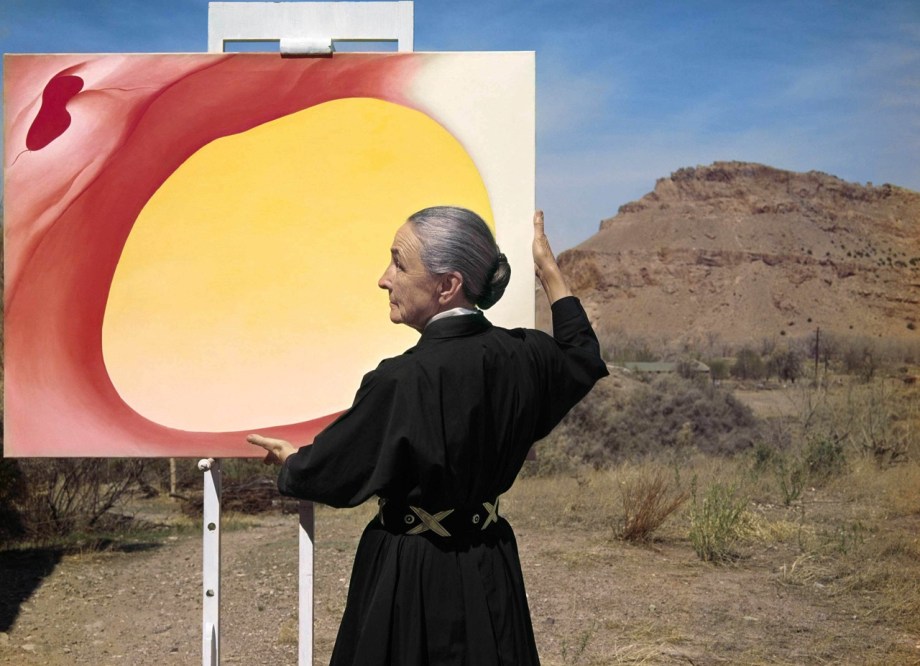
DISCLAIMER: I have had many art adventures since my last blog post (including an amazing art excursion to Paris) and it occurs to me WHY my posts are infrequent: TIME. I love the museums and artists that I blog about so much that I often … Continue reading PEM’s Georgia O’Keeffe: Art, Image, Style
On a recent lovely December morning, my husband surprised me with an impromptu field trip to the Addison Gallery (AG) on the campus of Phillips Academy (PA) in Andover, Mass. I had recently taught a series of art seminars at Middlesex Community College and when … Continue reading The Addison Gallery of American Art
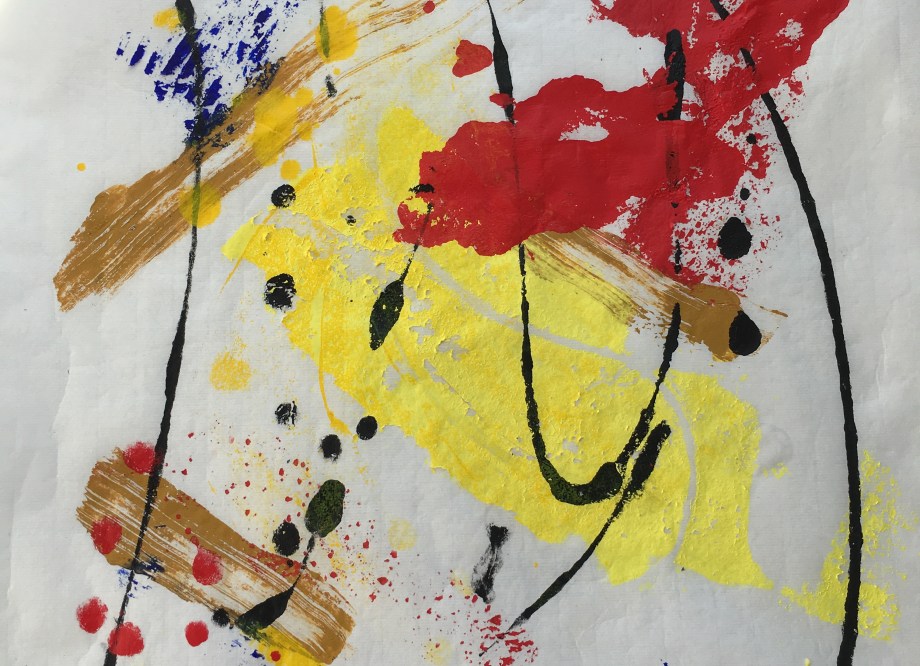
Two summers ago, I was fortunate enough to attend a Gelli (gelatin plate) Printing workshop with Adria Arch at Western Avenue Studios. Here are some of my monoprints from that session: I loved how responsive the medium was and it made monoprinting NEW again. I … Continue reading Adventures in Monoprinting
My family made an impromptu weekend trip to NYC in July. It is no secret that I LOVE NEW YORK – the energy, culture, sounds and even some smells. We had a packed schedule, but there is always room for ART in any itinerary. Choosing … Continue reading An Evening in NYC
On a perfectly gorgeous New England day, I had the honor of walking in the footsteps of the great artist Winslow Homer as I toured his final studio/residence in Prouts Neck, Maine. This property was acquired from Homer’s descendants in in 2006 by the Portland Museum of Art … Continue reading Snakes, Snakes and Mice – the Winslow Homer Studio
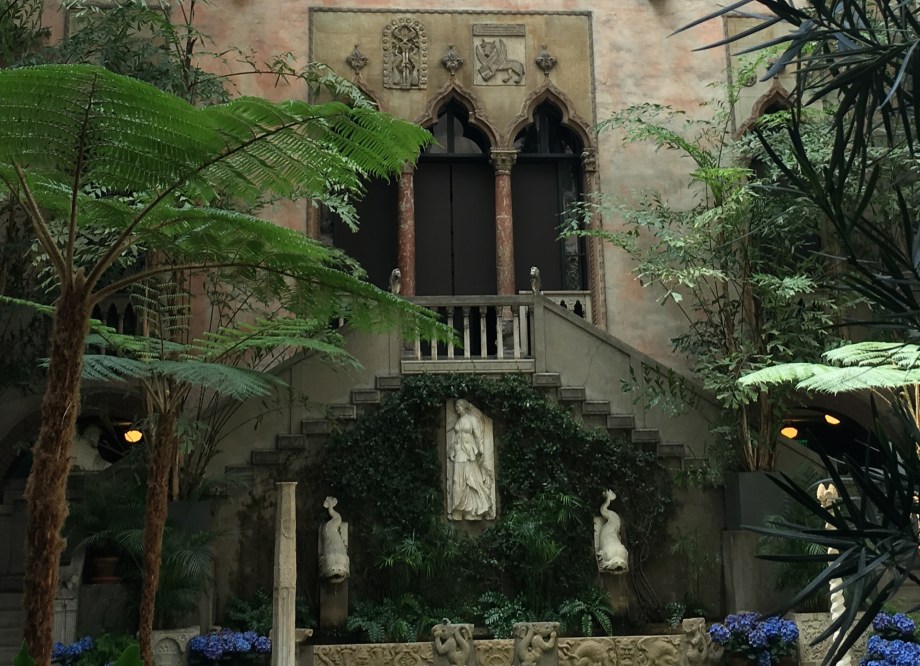
For my birthday, my husband surprised me with a trip to one of my local favorite museums -The Isabella Stewart Gardner Museum in Boston (you see why I married him!). The Gardner’s latest exhibit Off the Wall is billed as “up close and well lit, twenty-five … Continue reading An Afternoon at Mrs. Jack’s House
 While in Denver, Colorado last month, I took advantage of the couple of hours after the conference and my flight home to visit the Clyfford Still Museum.
 Clyfford Still was born on November 30, 1904, in Grandin, North Dakota. He attended Spokane University, Washington, in 1926 and from 1931 to 1933. After graduation, he taught at Washington State College, Pullman, until 1941. Still spent the summers of 1934 and 1935 at the Trask Foundation (now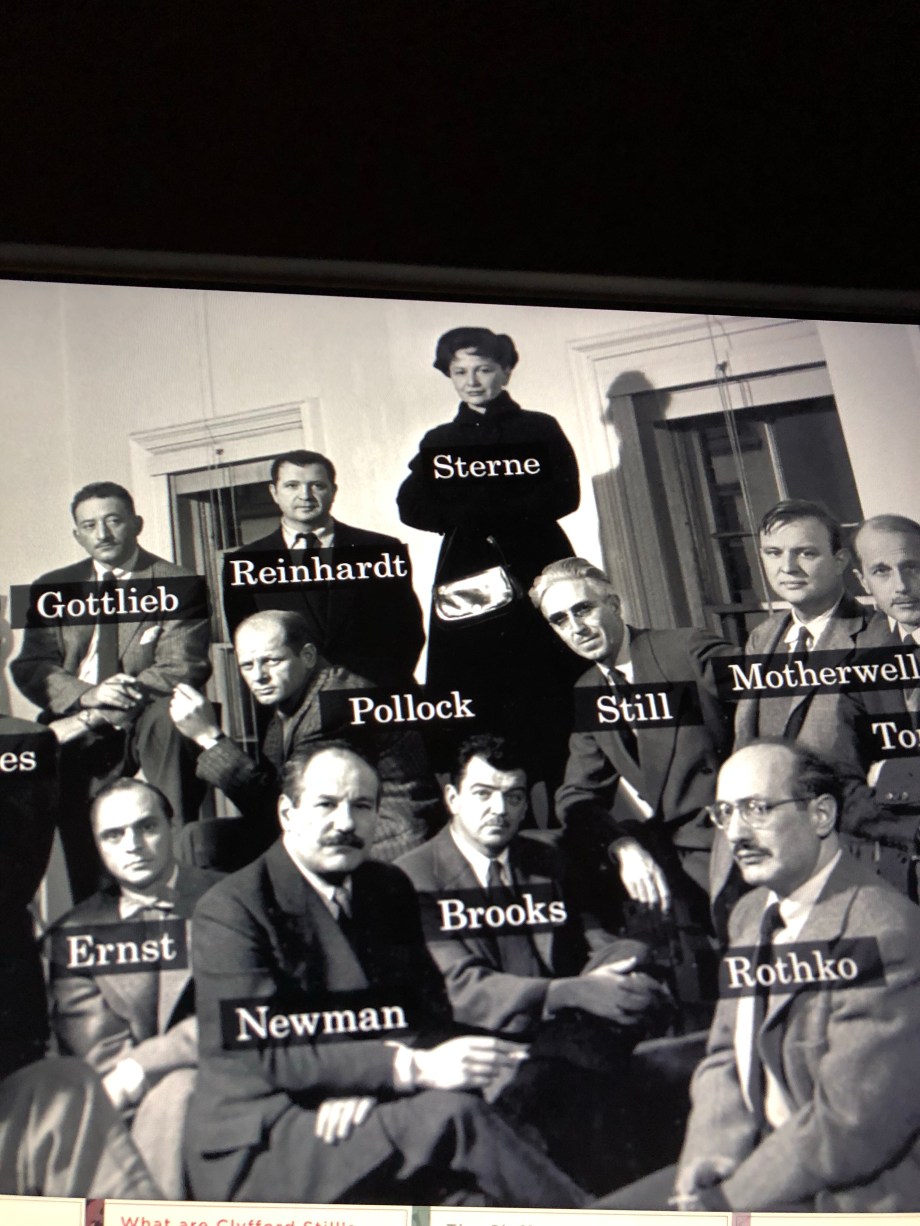







 restless art syndrome