After years of teaching seminars about Edward Hopper’s life and work, I finally made the journey I’d been meaning to take for far too long—a visit to the master’s childhood home in Nyack, New York. As someone who has spent countless hours analyzing his paintings and discussing his unique ability to capture American solitude and light, stepping into the actual space where Hopper’s artistic vision first took shape felt like a pilgrimage of sorts.




The House That Shaped an Artist
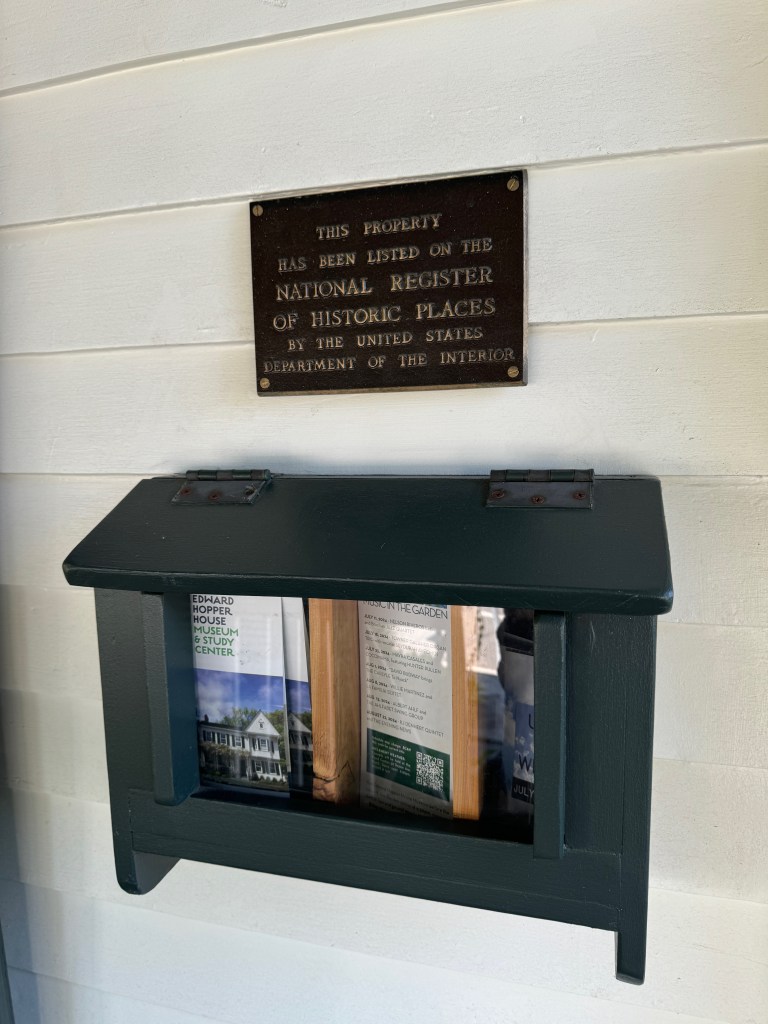
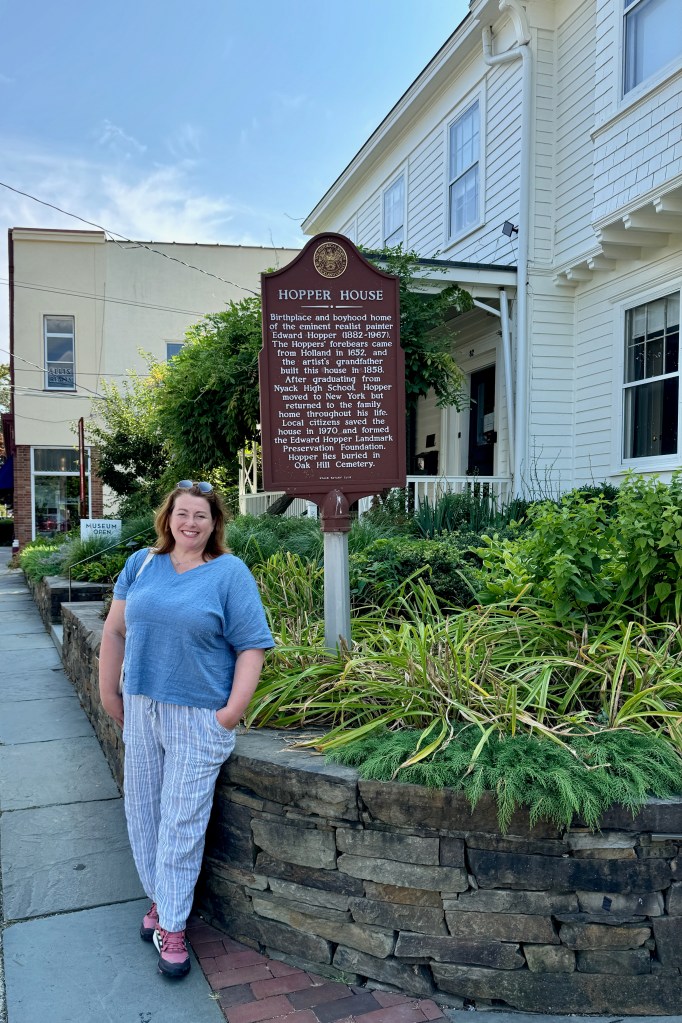
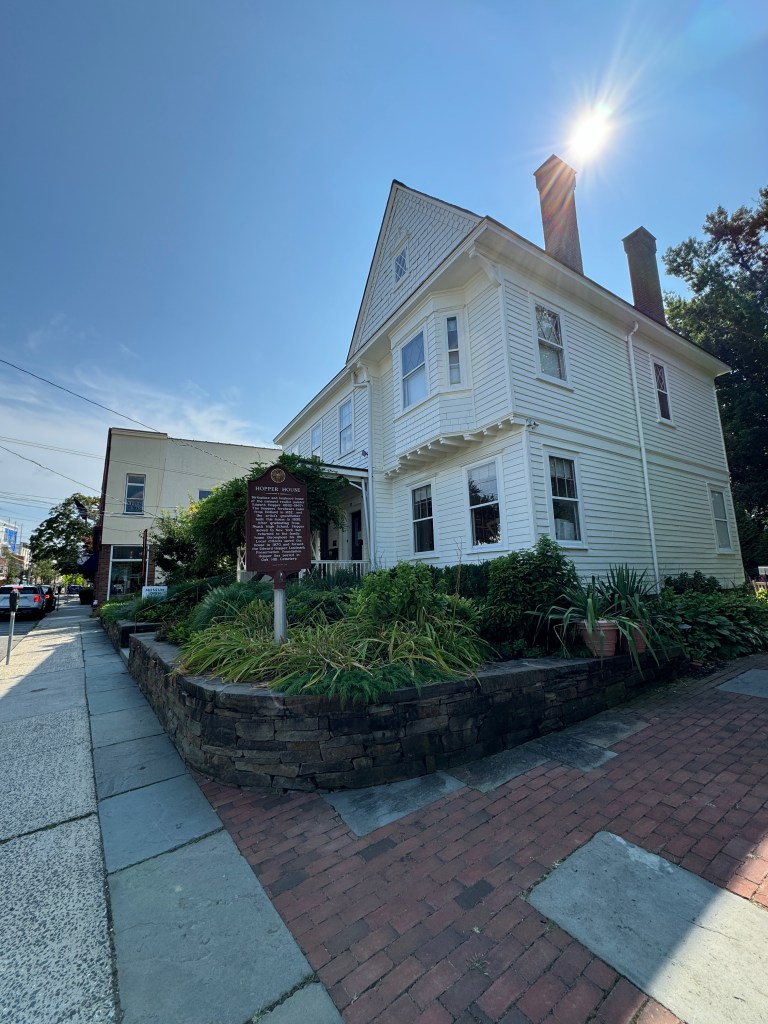
The Edward Hopper House sits at 82 North Broadway in Nyack, a charming Hudson River village just 25 miles north of Manhattan. Built in 1858 by Hopper’s maternal grandfather, John Smith, this modest white clapboard house with its distinctive bay windows and wrap-around porch served as the artist’s primary residence for the first 28 years of his life—from his birth in 1882 until he moved to Manhattan in 1910.
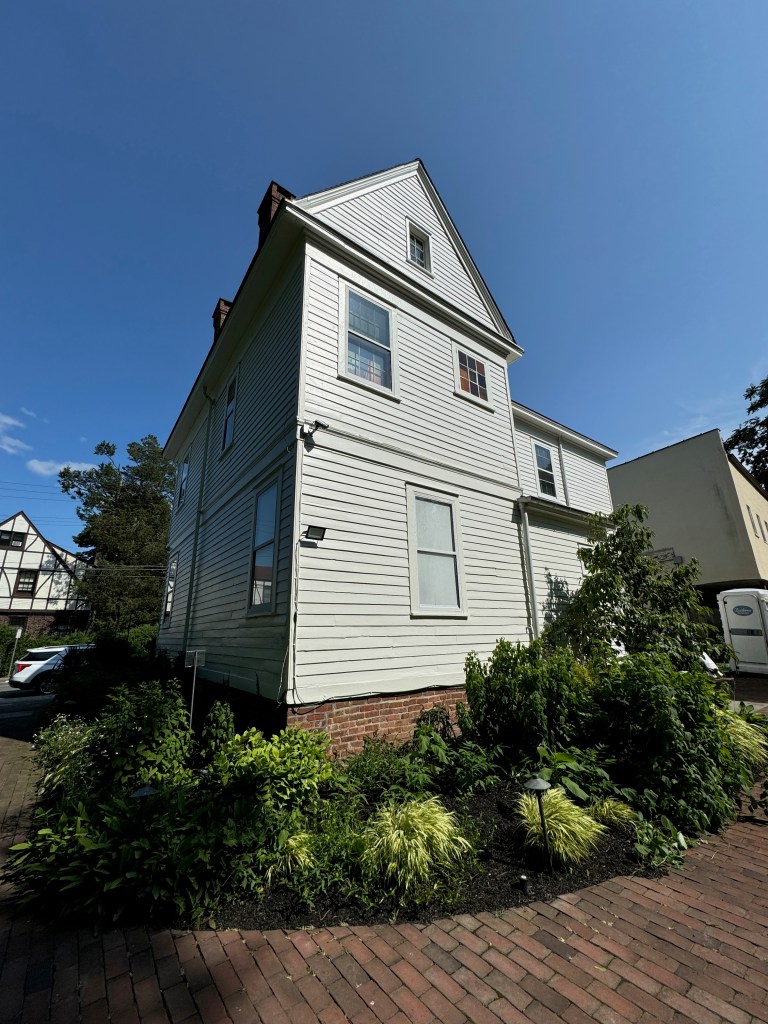
The house itself tells a fascinating architectural story. The original Federal-style structure, recognizable by its classic simplicity and wide floorboards, was expanded in 1882 (the year of Edward’s birth) with a Queen Anne-style addition featuring polished wood ceilings and a tiled fireplace. This blend of architectural styles creates an intimate domestic setting that undoubtedly influenced Hopper’s later fascination with American vernacular architecture.
Where Light and Vision Converged
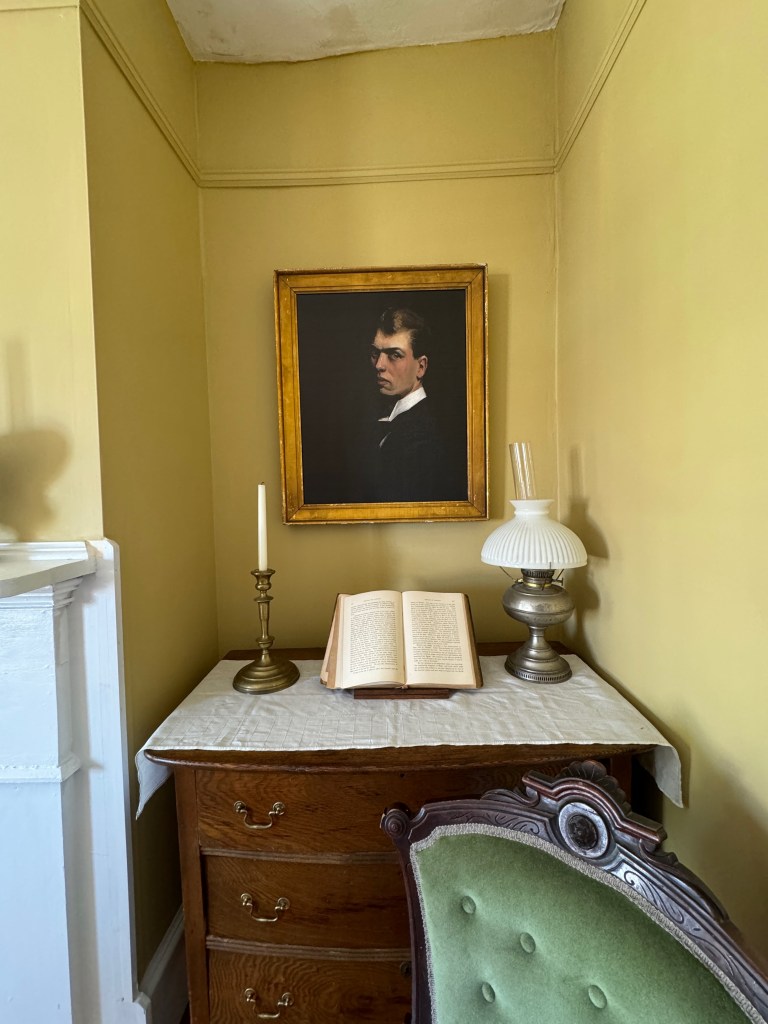
Standing in Hopper’s childhood bedroom on the second floor, I was struck by the expansive view of the Hudson River that greeted him every morning. The room faces east toward the Tappan Zee, a natural widening of the river that spans three miles at its broadest point. This vast expanse of water creates the variegated sunlight that dances on the water and shore—the same quality of light that would become Hopper’s signature throughout his career.
The knowledgeable and passionate staff pointed out how this particular view likely shaped Hopper’s understanding of light, windows, space, and the relationship between interior and exterior—themes that would dominate his most famous works. You can almost imagine young Edward sitting by that window, absorbing the interplay of light and shadow that would later emerge in paintings like “Morning Sun” and “Cape Cod Evening.”


A Family That Nurtured Artistic Vision
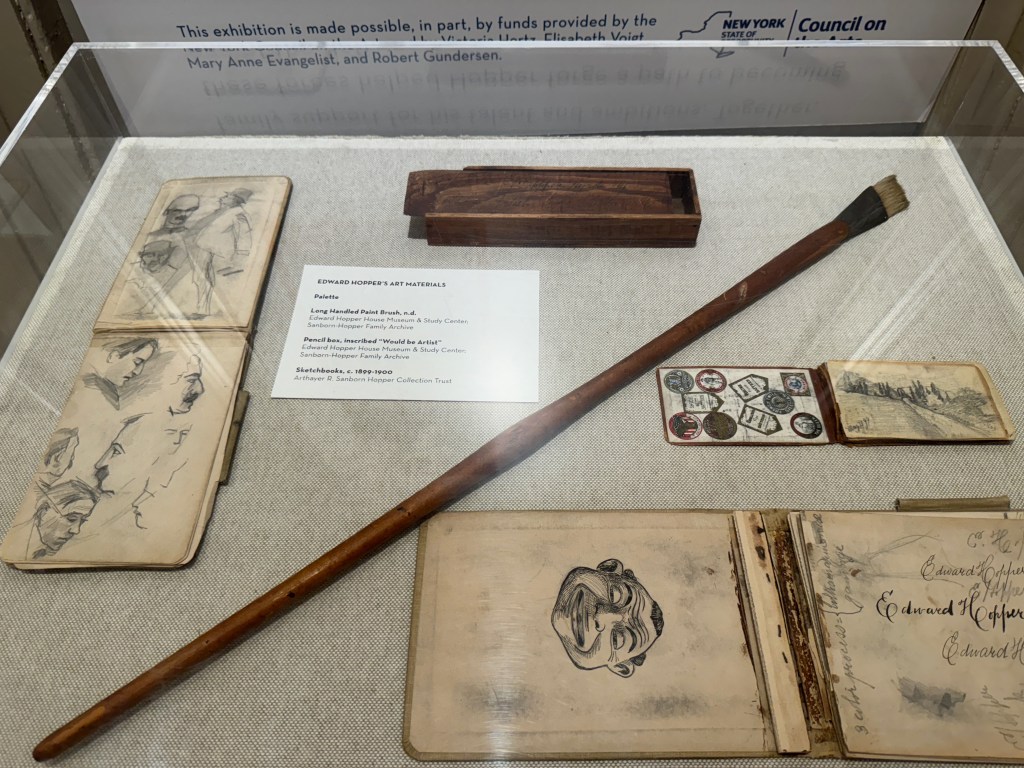
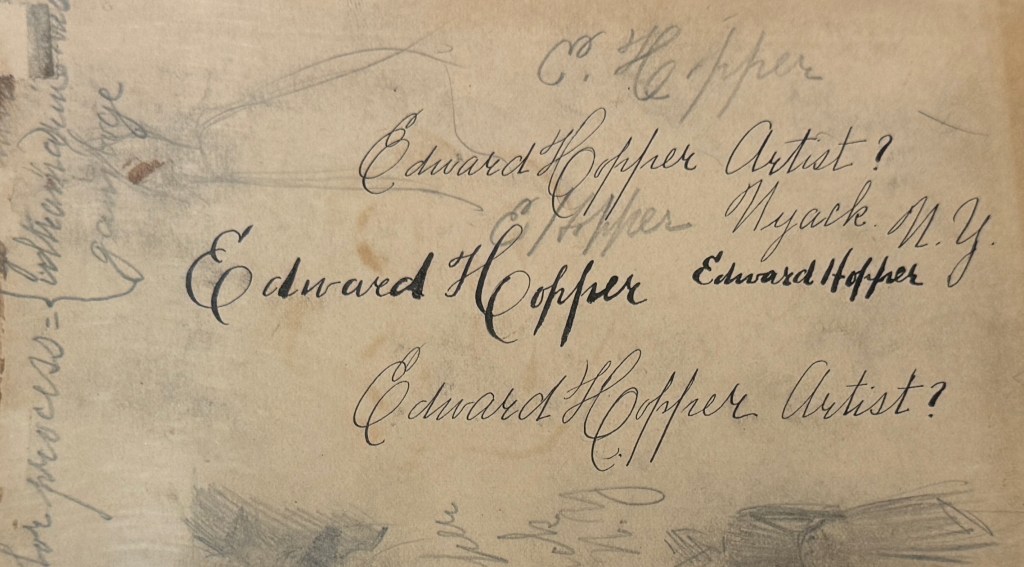
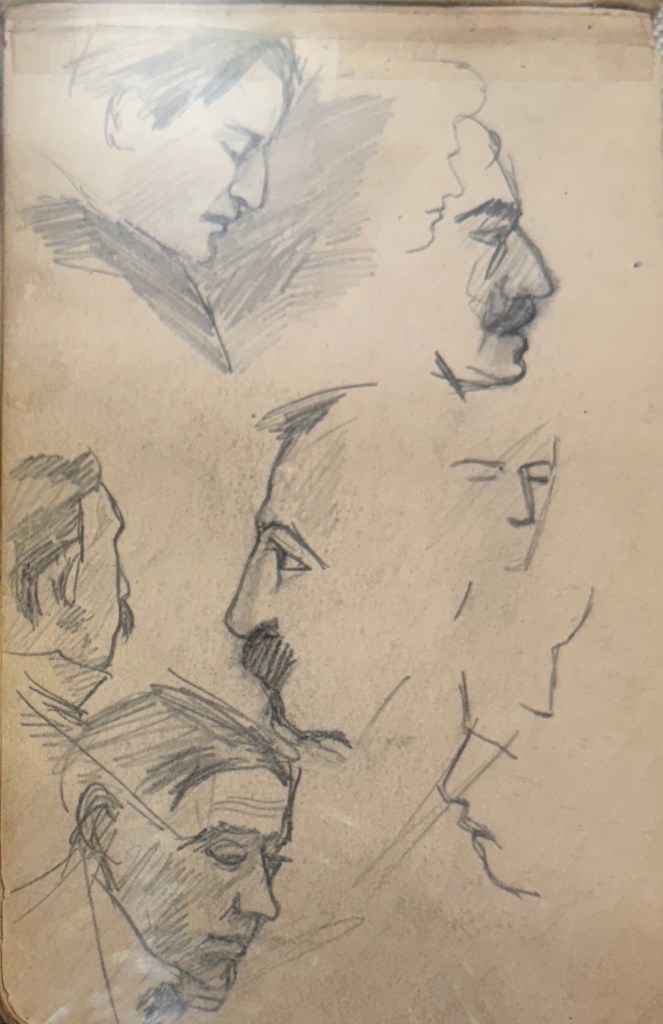
What struck me most during the visit was learning about the supportive environment that fostered Hopper’s creativity. Unlike many families of that era who might have pushed a talented child toward more “practical” pursuits, the Hoppers encouraged Edward’s artistic inclinations from an early age. His mother gave him notepads to walk around town and capture people’s expressions, while his father, who owned a dry goods store in Nyack, instilled in him a love of reading that would inform his intellectual depth throughout his life.
By high school, Hopper was already serving as the artist for his school newspaper, recognizing early that there was a meaningful role for artists in society. This early encouragement and recognition of his talents set him apart and allowed him to develop the confidence to pursue his unconventional path.
A House Saved by Community Love
The story of how this historic home survived is as compelling as the artist it commemorates. After Hopper’s death in 1967 and his sister Marion’s death in 1965 (she had lived in the family home until the end), the house fell into disrepair and was nearly demolished. In 1970, a real estate investor had actually purchased the property with plans to tear it down and build apartments.
Enter Jeffrey and Barbara Arnold, concerned neighbors who organized an extraordinary grassroots effort to save the house. Their ad-hoc coalition included neighbors, Rotarians, labor unions, students, and artists—a remarkably diverse group united by their recognition of the house’s cultural importance. They managed to raise $15,000 through gifts and interest-free loans from concerned citizens to buy back the property from the developer.
Since 1971, the Edward Hopper Landmark Preservation Foundation has operated the house as a nonprofit museum and art center, preserving not just the physical structure but also Hopper’s legacy for future generations.

More Than Just a House Museum
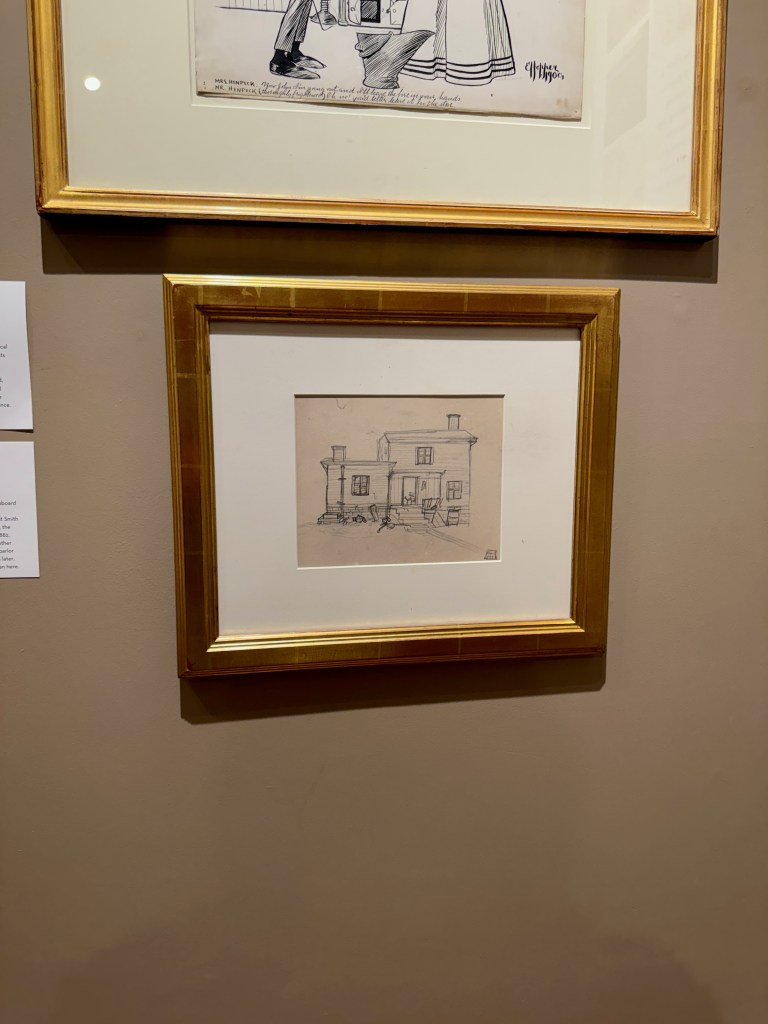
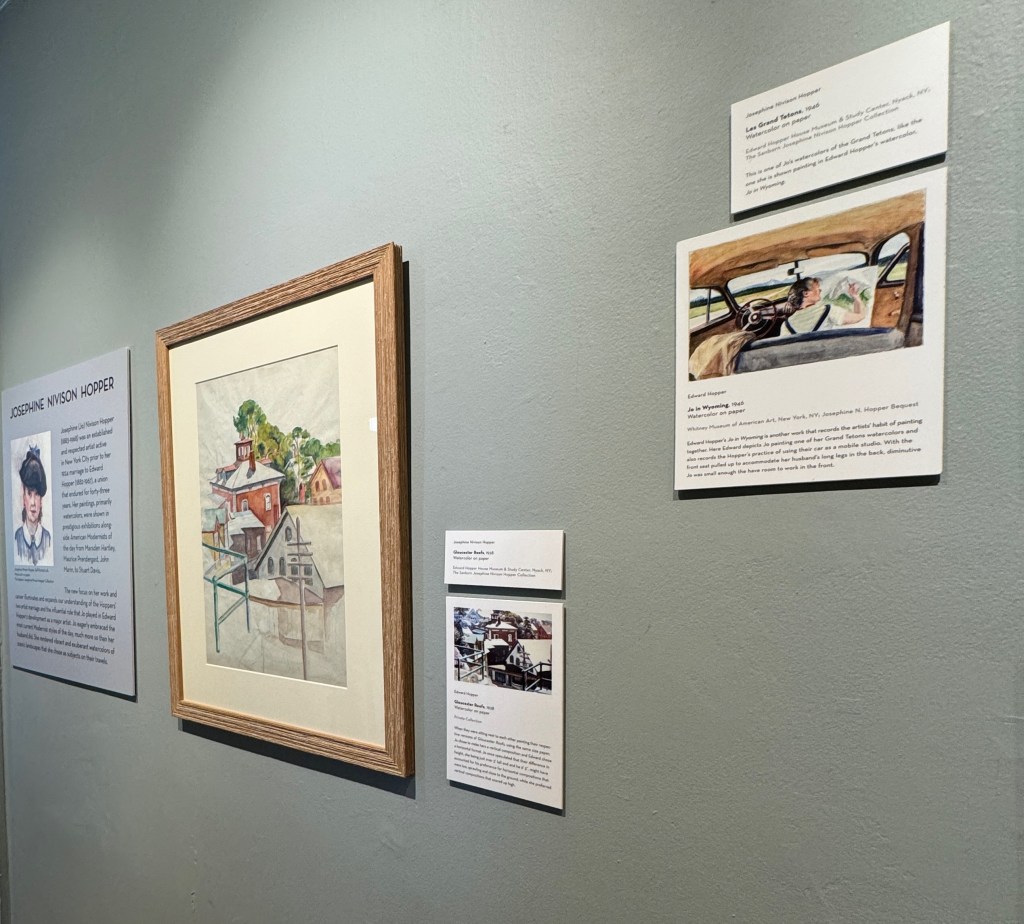
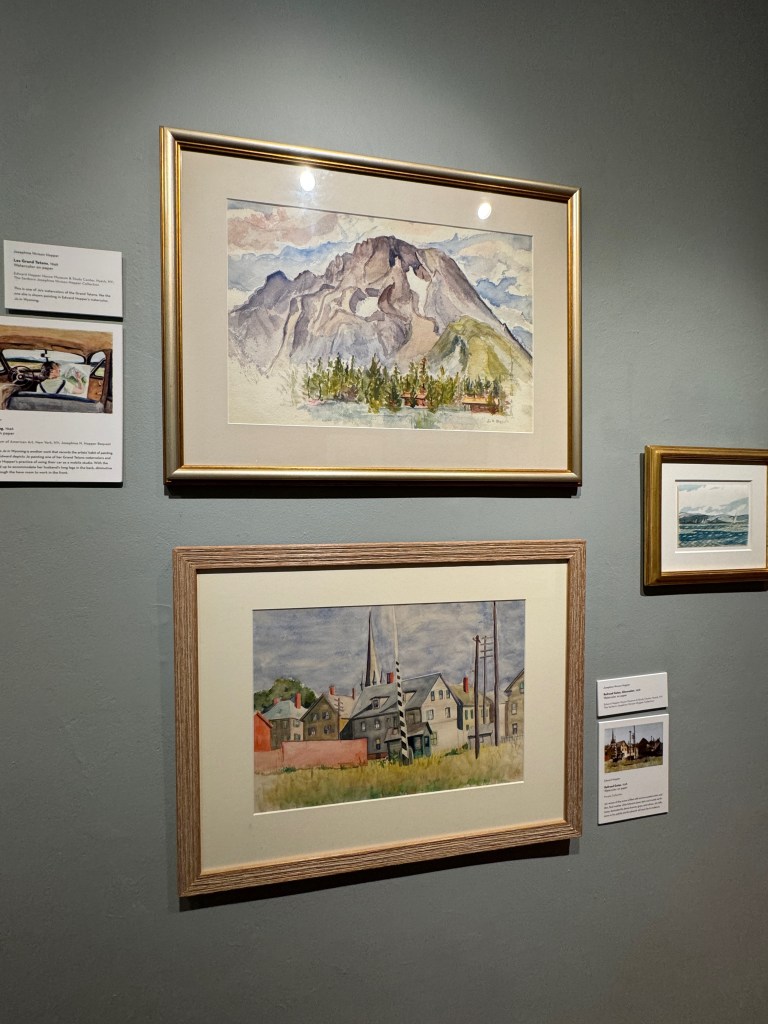
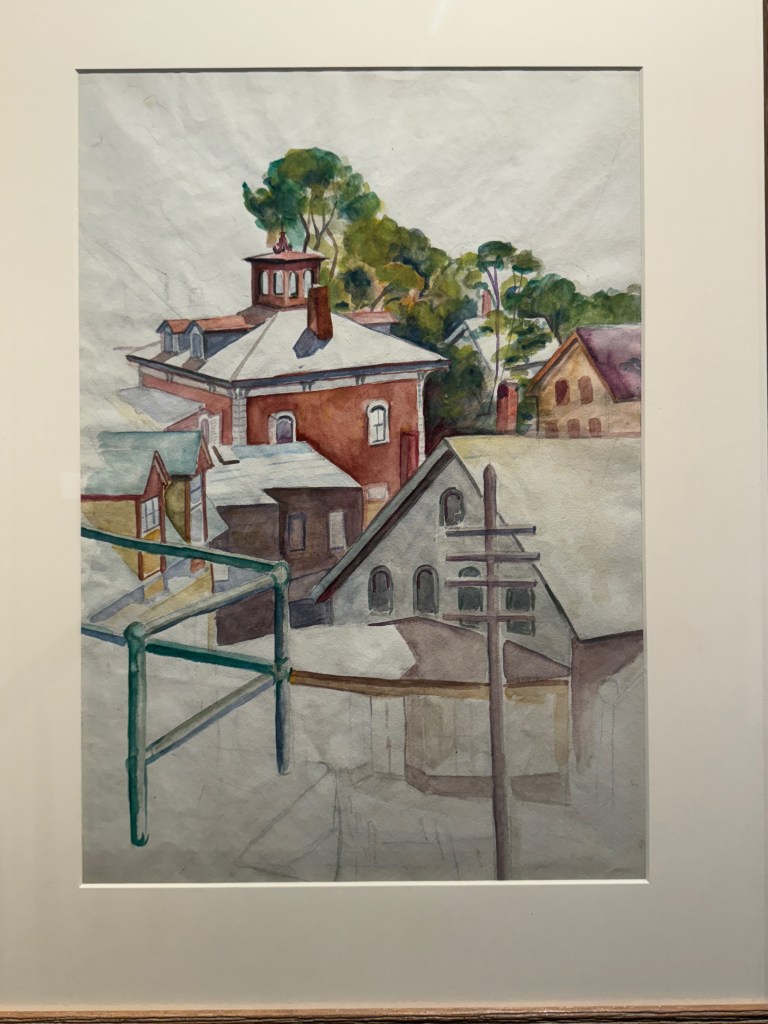
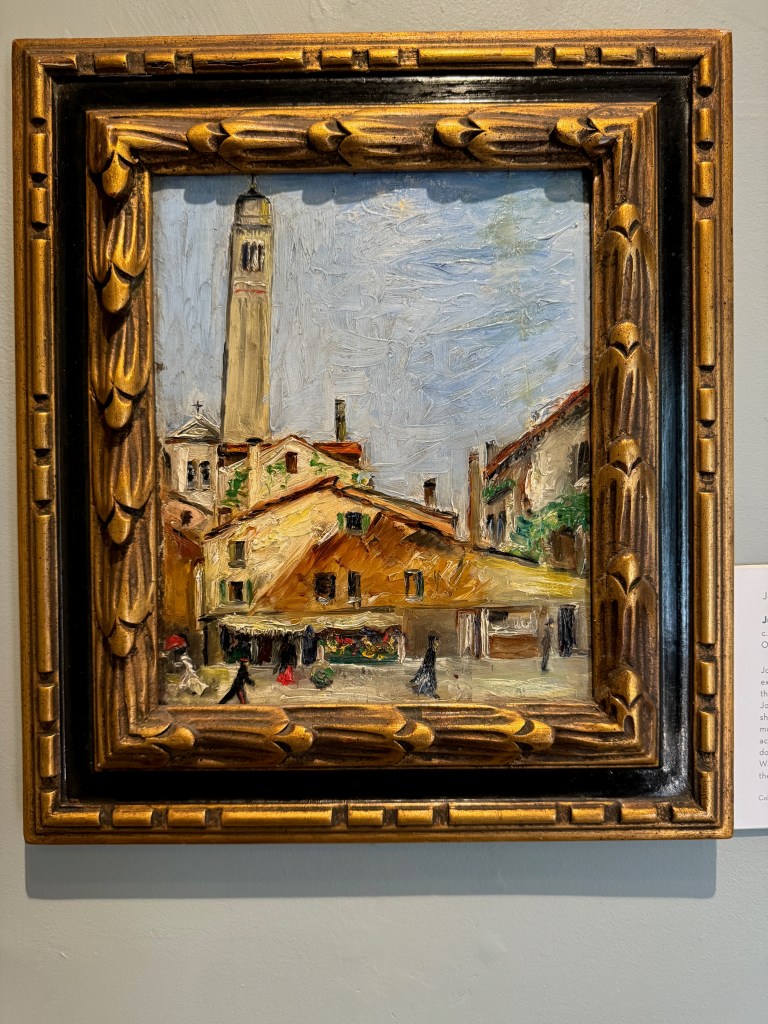
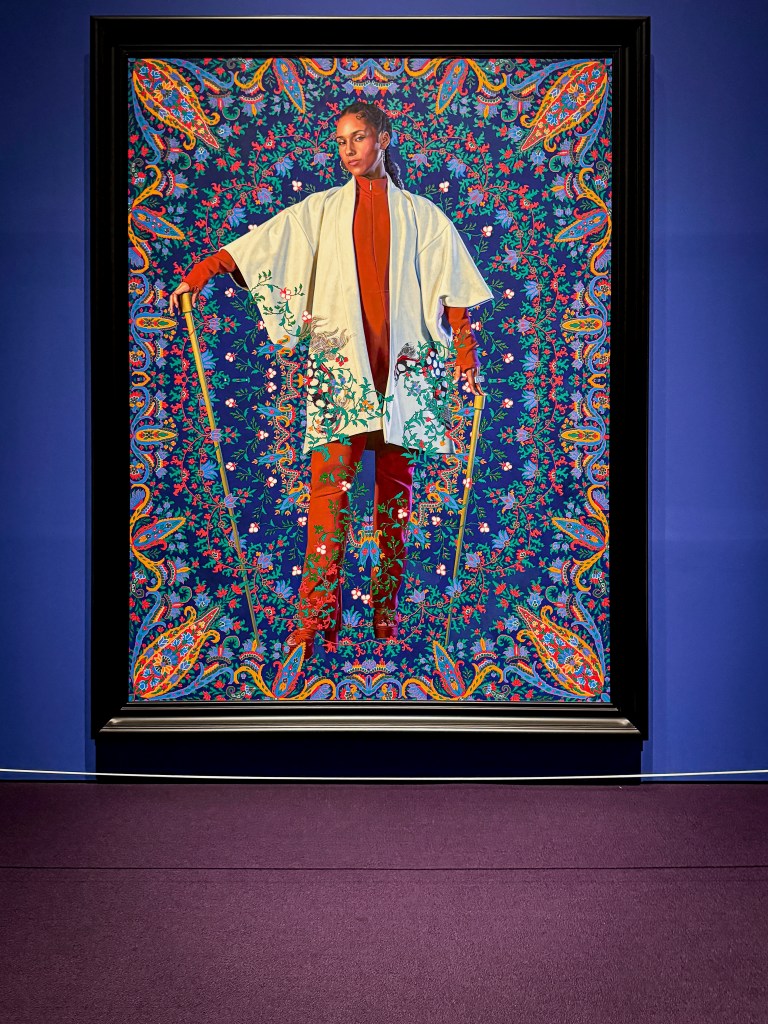
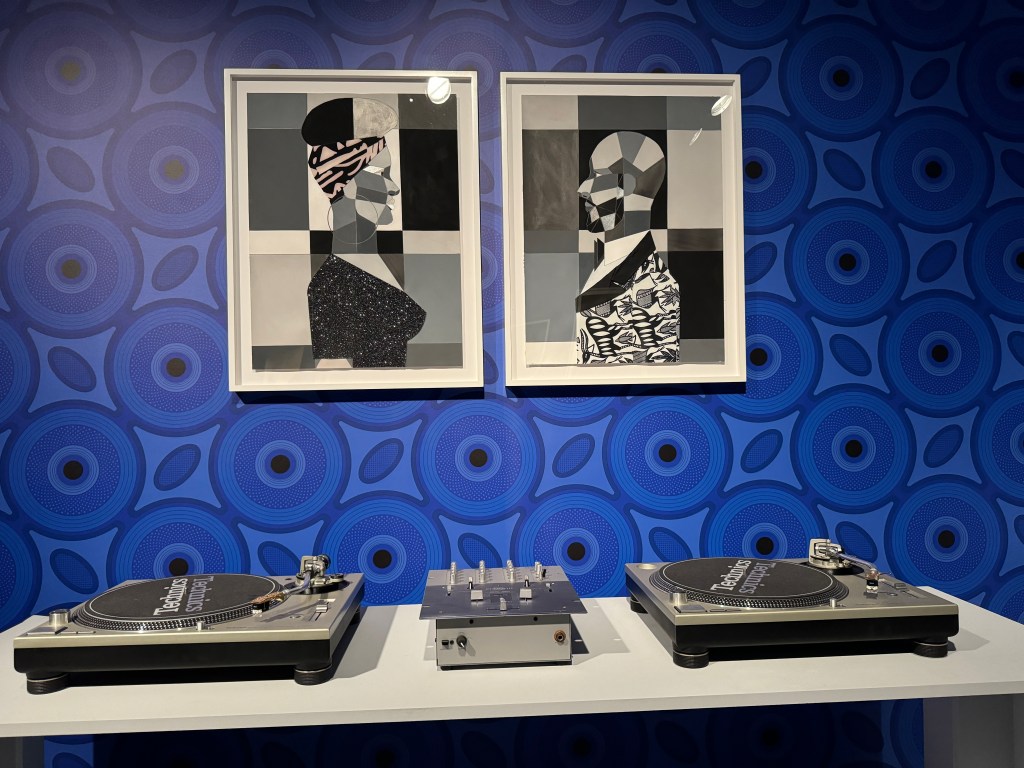
What makes the Edward Hopper House special is how it functions as both a historic site and a living art center. The museum features rotating exhibitions that connect Hopper’s legacy to contemporary artists, early Hopper artworks, and his first studio space. The institution also hosts jazz concerts, educational programs, and community outreach initiatives, including the innovative Nighthawks Teen Leadership Program that trains local teens to become docents and arts advocates.
The Nyack Connection
Walking through Nyack today, you can still experience much of the environment that shaped Hopper’s artistic sensibilities. The village has retained its late 19th-century character, with many of the brownstone brick facades from Hopper’s childhood still standing. When bathed in the light reflected off the Hudson River, these buildings produce the saturated tones that form the color palette of many of Hopper’s most celebrated works.
Just a short walk from the house, you can visit the First Baptist Church founded by Hopper’s great-grandfather in 1851, and the location of his father’s dry goods store (now the Grace Thrift Shop) that provided the family income that allowed Edward to pursue his artistic career.
A Transformative Visit
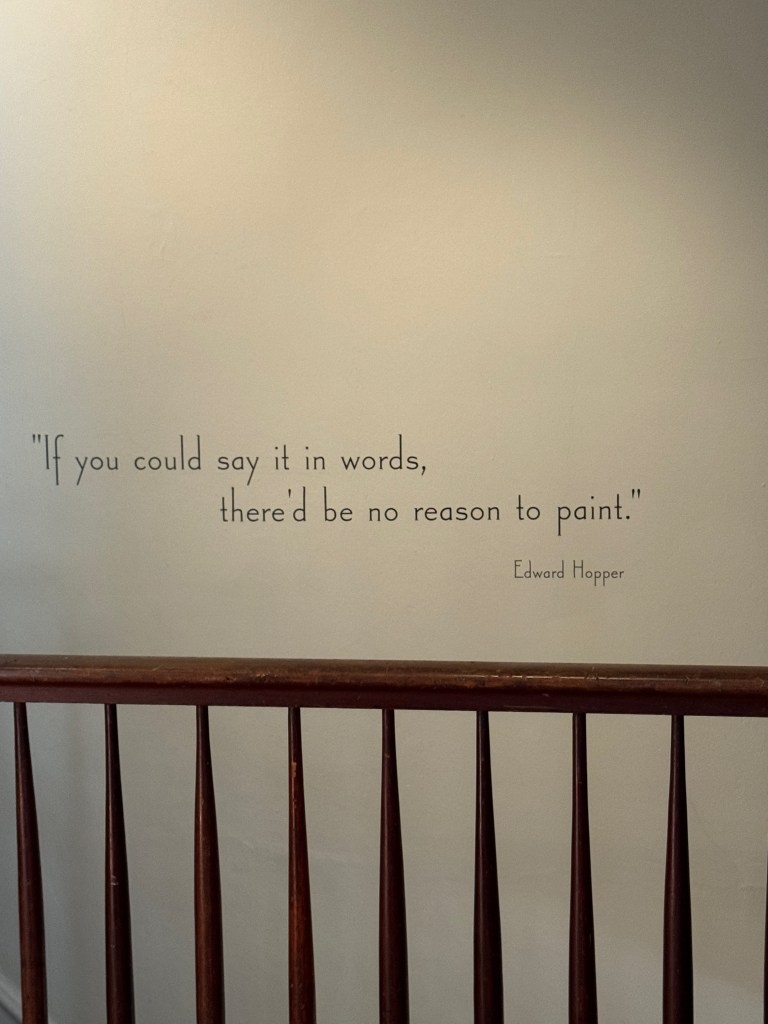
As I left the Hopper House that day, I felt a deeper understanding of how place, family support, and early exposure to particular qualities of light and space can shape an artist’s entire trajectory. Hopper once said, “The nucleus around which the artist’s intellect builds his work is himself: and this changes little from birth to death. What he was once, he always is, with slight modifications.”
Standing in that childhood bedroom, looking out at the Hudson River view that shaped his perception of light and space, I finally understood what he meant. The seeds of every masterpiece—from “Nighthawks” to “Automat”—were planted in this modest house in Nyack, nurtured by a family that recognized and encouraged artistic vision, and watered by the distinctive light of the Hudson River Valley.
For anyone who loves Hopper’s work, or simply appreciates the power of place in shaping artistic vision, a visit to the Edward Hopper House is not just recommended—it’s essential. It’s a chance to step into the origin story of one of America’s greatest painters and understand how a childhood home can become the foundation for a lifetime of groundbreaking art.
The Edward Hopper House Museum & Study Center is open Thursday through Sunday, 12pm-5pm. For more information, visit edwardhopperhouse.org.










 restless art syndrome